

In the landscape of office organization, few pieces of furniture are as fundamental and enduring as the Drawer Filing Cabinet. This classic storage solution, characterized by its series of pull-out drawers, remains the gold standard for systematic, secure, and space-efficient document management. More than just a container, a well-designed drawer filing cabinet is an active tool for workflow efficiency. This article delves into the core advantages of traditional filing cabinets with drawers and explores the diverse configurations and multi-layout possibilities that keep this design relevant in modern workspaces.
Defining the Drawer Filing Cabinet
A Drawer Filing Cabinet is a storage unit primarily designed to house letter-size or legal-size documents in hanging file folders or stacked directly within pull-out compartments. Its classic operation relies on a set of file drawers that glide on slides or rollers. The two predominant archetypes are the Vertical File Cabinet (with drawers that pull out straight towards the user) and the Lateral File Cabinet (with wider drawers that pull out from the long side). This category is the cornerstone of traditional office filing and is often simply referred to as a standard filing cabinet or metal file cabinet.
Core Advantages: Why Drawer Cabinets Endure
The sustained popularity of filing drawer cabinets is rooted in several tangible benefits that directly address organizational needs:
1. Superior Organization & Immediate Access
The drawer-based design creates a natural, segmented system for categorization. Each file drawer can be dedicated to a specific project, client, or document type, allowing for intuitive filing and rapid retrieval. The action of pulling out a drawer presents the entire contents at once, enabling visual scanning that is more immediate than digging through a box or shelf.
2. Optimized Space Efficiency & Density
Vertical filing cabinets excel at utilizing vertical space, storing a high volume of files within a relatively small footprint. Lateral file drawers, while wider, often provide greater linear filing space and can be used as a functional base for a worksurface, effectively doubling the utility of their footprint. This makes drawer cabinets a champion of high-density document storage.
3. Enhanced Document Protection & Security
When closed, the drawers of a filing cabinet fully enclose and protect documents from dust, light, moisture, and casual tampering. Compared to open shelving, this offers a significant preservation advantage. Security is bolstered with integrated locking mechanisms, from simple key locks on individual file cabinet drawers to central locking systems that secure an entire bank of filing cabinets with one turn of a key, making them a reliable secure storage drawer solution.
4. Durability, Stability, & Professional Presentation
Constructed typically from steel, a metal drawer cabinet is built to withstand the weight of heavy paper loads and years of daily use. High-quality models feature full-extension drawer slides that provide smooth, stable operation even when fully loaded. The clean, professional appearance of a steel filing cabinet with drawers conveys permanence and order, contributing to a formal office aesthetic.
Multi-Layout Configurations & Specialized Types
The concept of the drawer file cabinet has evolved into a family of specialized products designed for different spaces and needs, enabling versatile office layout planning.
By Configuration & Size:
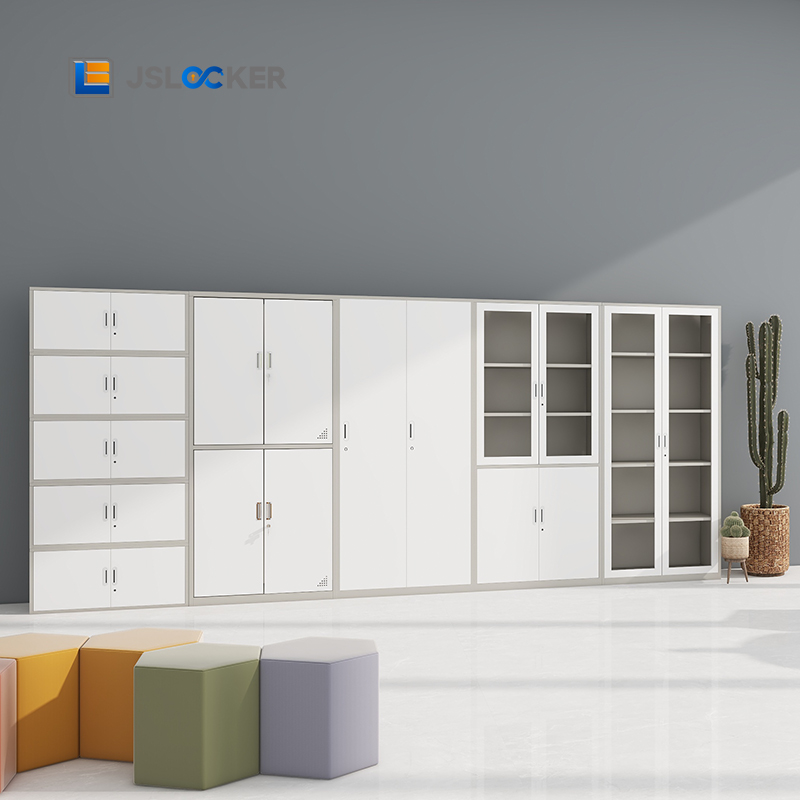
* Stacked Drawer Configurations: The classic 2-drawer, 3-drawer, 4-drawer, and 5-drawer file cabinets offer choices based on volume needs and available vertical space. A 2-drawer lateral file often serves perfectly under a window.
* Combination Cabinets: Units that mix file-size drawers with deeper box drawers or even pencil drawers for supplies. This multi-drawer storage cabinet format maximizes versatility within a single unit.
* Mobile & Pedestal Units: Filing cabinet drawers are integrated into mobile file carts and under-desk pedestal cabinets, providing flexible, personal storage that can be repositioned as needs change.
By Specialized Function:
* Fireproof Filing Drawers: These insulated file cabinets embed fire-resistant drawers within a thicker, sealed steel body to protect critical documents from fire and heat, often certified for 1-hour or 2-hour protection.
* Custom-Compartment Drawers: Some models feature divisible drawer interiors with adjustable follower blocks to organize odd-sized materials, binders, or media within a standard file drawer.
* High-Security & Data Cabinets: Reinforced cabinet drawers with advanced locking systems are used for storing confidential files, data media, or other sensitive assets.
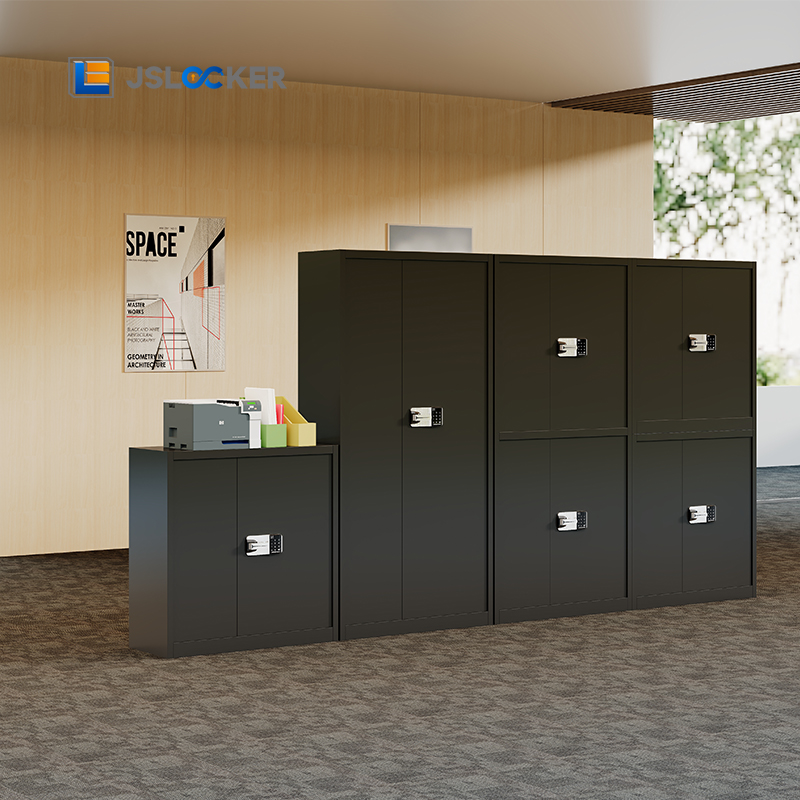
Integrating Drawer Cabinets into Modern Workspaces
The multi-layout potential of drawer filing systems allows them to adapt to contemporary office designs:
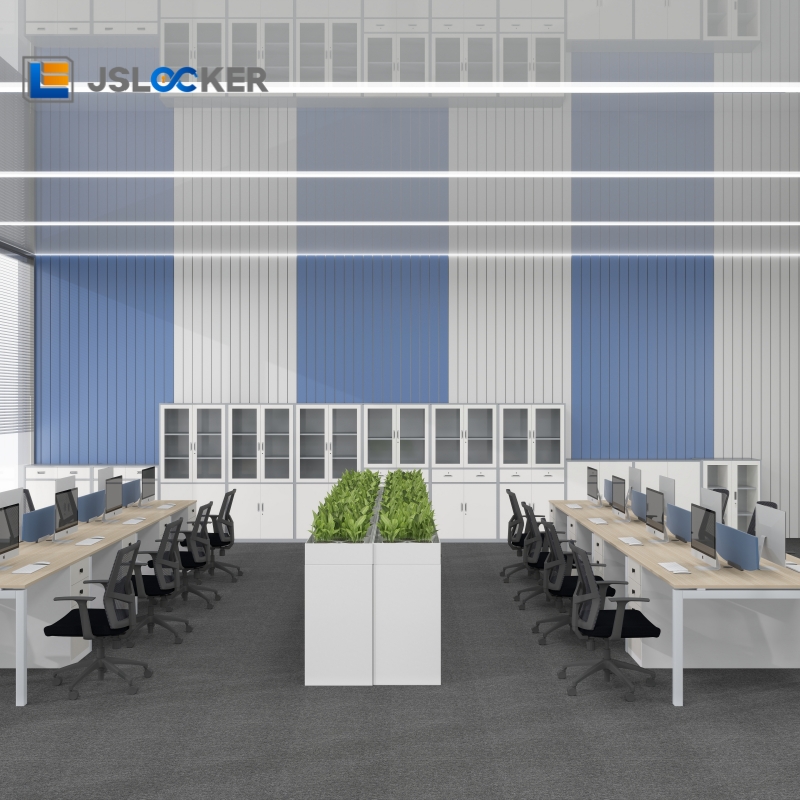
* Space-Zoning Tool: A run of lateral file cabinets can act as a visual divider or a sturdy back for a bench in an open-plan office, creating semi-private zones.
* Anchoring a Wall System: Vertical file drawers can be combined with overhead cabinets and shelving to create a full-wall integrated storage system that is both functional and aesthetically unified.
* Modular Grouping: Several 2-drawer or 3-drawer cabinets can be grouped together to form a modular storage unit of varying height, offering more flexibility than a single tall, static piece.
