

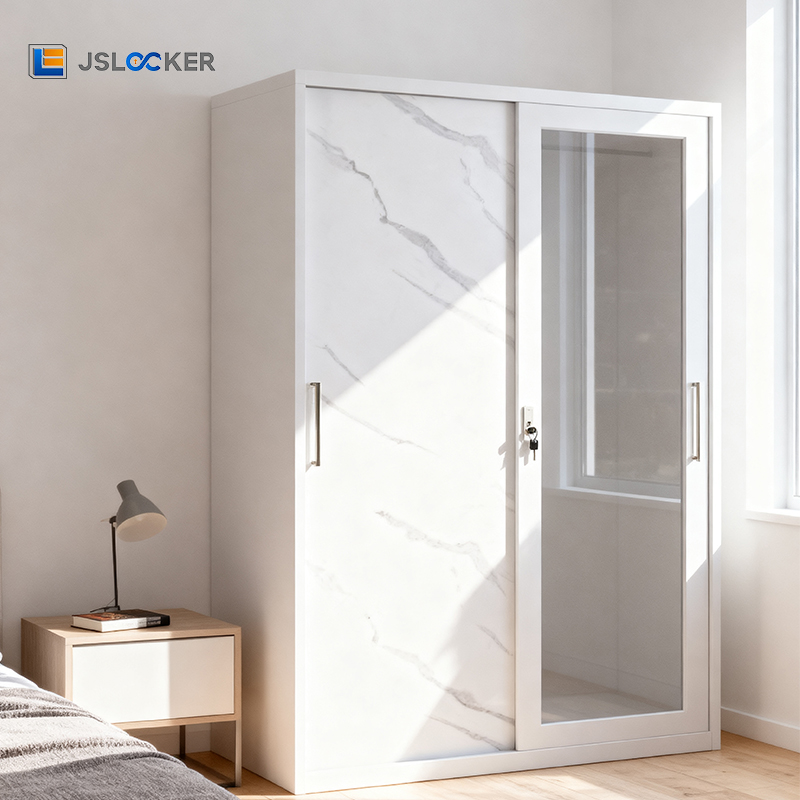
This guide provides a structured framework for procuring steel storage solutions. Renowned for their durability, security, and clean aesthetic, steel cabinets and lockers are fundamental to organization across offices, schools, healthcare, and institutional facilities. Selecting the right type ensures efficient operations, asset protection, and user satisfaction.
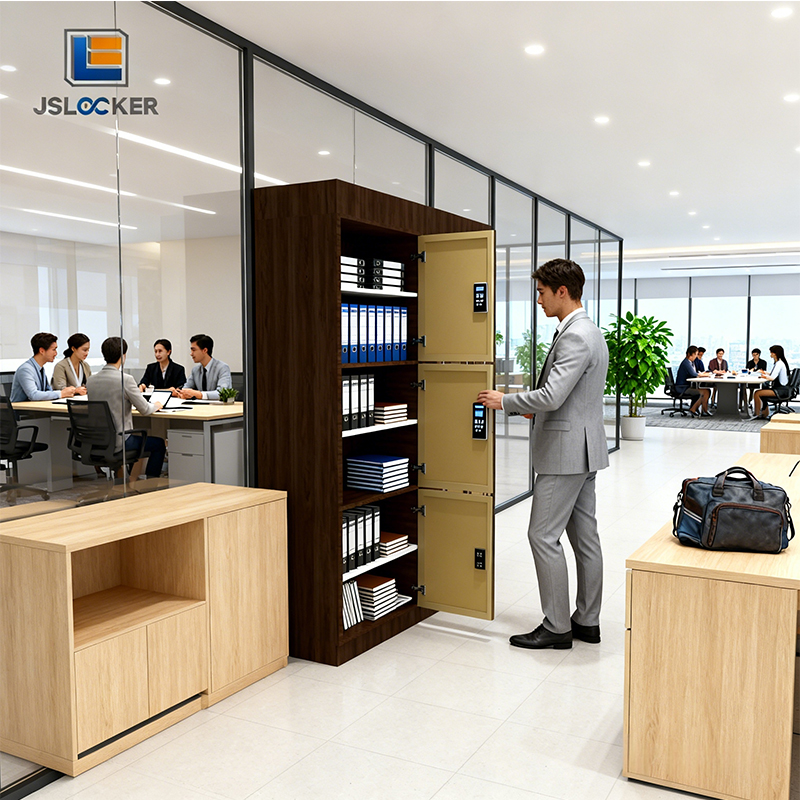
1. Filing Cabinet: The Cornerstone of Document Management
The quintessential office storage unit for letter or legal-size documents.
Key Considerations:
Configuration: Choose between vertical (space-efficient) or lateral (easier folder access, often with top shelf) models.
Suspension System: A full-extension, ball-bearing suspension system ensures smooth drawer operation even when fully loaded.
Security: Options include central locking (one key locks all drawers) or individual drawer locks. Consider locking top drawers on lateral files.
Capacity & Weight: Evaluate sheet capacity per drawer and the cabinet's total load capacity. Ensure floor strength is adequate.
Modesty Panel: An integrated base panel provides a finished look and prevents small items from rolling underneath.
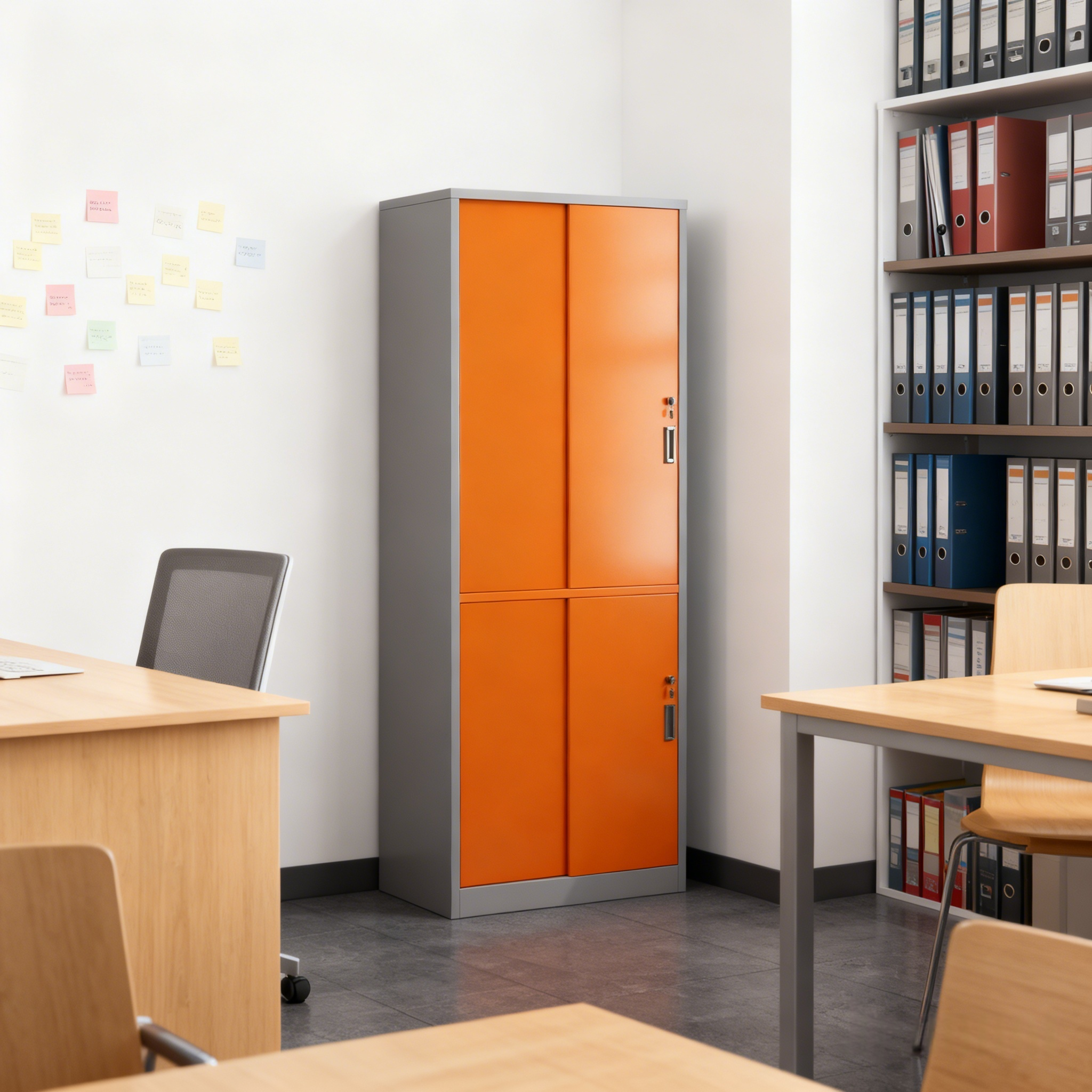
2. Drawer Filing Cabinet: Specialized High-Density Storage
A variant optimized for storing smaller items, forms, or files in multiple shallow drawers.
Key Considerations:
Drawer Interiors: Look for customizable dividers, adjustable follower blocks, or pre-configured setups for index cards, check forms, or A4 folders.
Drawer Depth & Count: Ranges from 5 to over 25 drawers. Match drawer depth precisely to the items being stored to maximize space.
Labeling: A clear, integrated labeling system on each drawer front is essential for quick identification.
Application: Ideal for reception areas, accounting departments, HR (for personnel files), or archives requiring categorized, high-density storage.
3. Steel Locker: Essential Personal Storage
Standard personal storage for clothing, belongings, and gear in workplaces, gyms, and schools.
Key Considerations:
Ventilation: Perforated doors or side panels are crucial for air circulation, especially for storing damp gym clothes or workwear.
Durability: 18-gauge steel or thicker is standard. Check weld points, hinge strength (preferably continuous/piano hinges), and door alignment.
Locking: Options include built-in combination locks, keyed locks, or user-provided padlock hasps. Consider master-keyed systems for facility management.
Bench Integration: Commonly installed over a durable bench for changing areas.
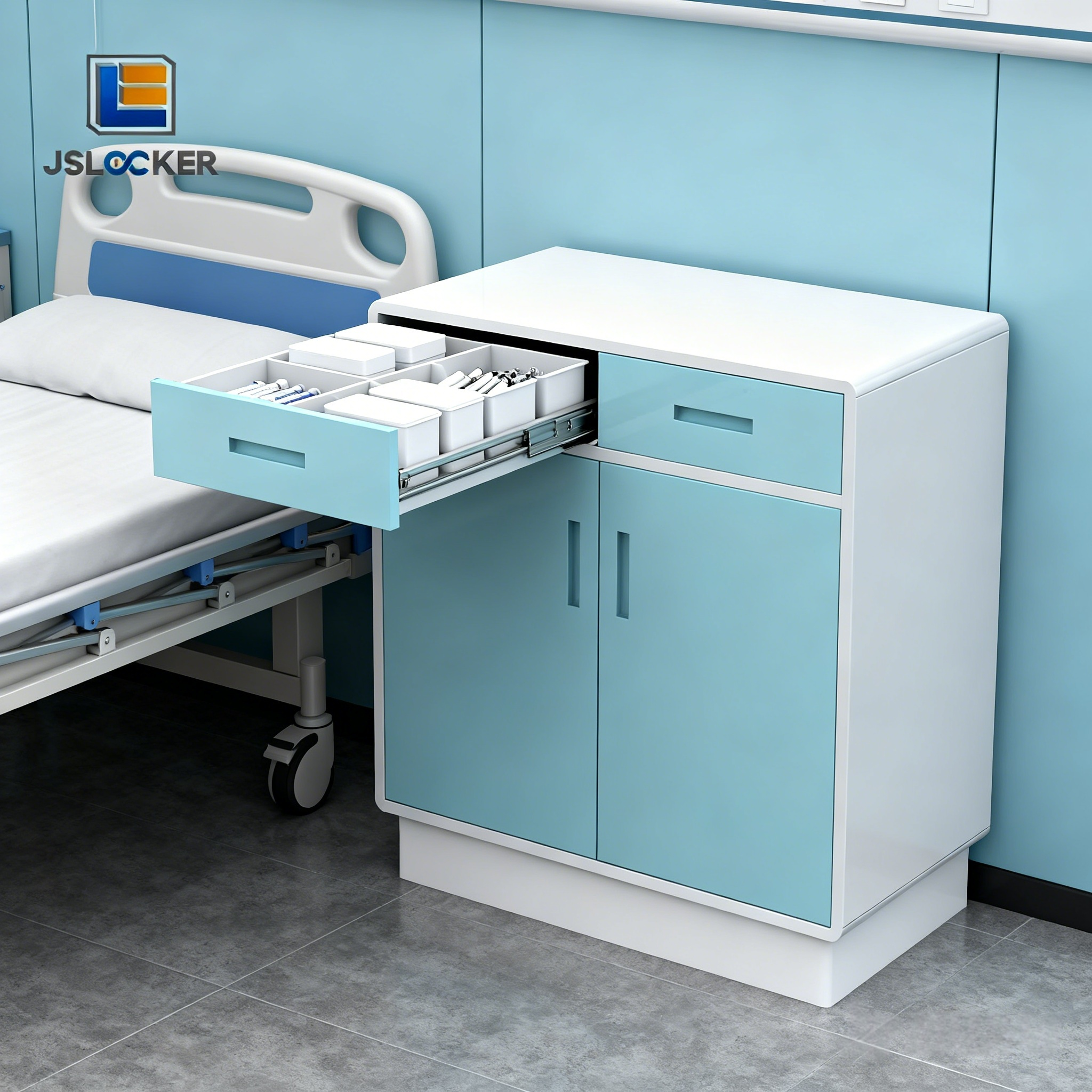
4. Electronic Locker: Smart, Managed Access Solutions
Digitally controlled lockers offering flexible, audit-ready, and keyless management.
Key Considerations:
Access Technology: Choose from PIN codes, RFID cards/fobs, biometrics, or smartphone app control. Assess user convenience vs. management needs.
Management Software: Essential for remote management, generating one-time codes, auditing usage logs, and locking/unlocking units.
Power & Connectivity: Requires reliable power supply (battery-backed or wired) and network connectivity (for cloud-managed systems).
Use Case: Perfect for flexible/hot-desking offices (store personal items), corporate amenities (loaner equipment), secure parcel delivery, or high-traffic public facilities.

5. Student Bag Locker: Streamlining Educational Environments
Lockers specifically designed for the daily storage of student backpacks, books, and supplies.
Key Considerations:
Size & Proportion: Typically tall and narrow (e.g., 12"W x 15"D x 72"H) to maximize corridor space while accommodating backpacks and coats.
Ventilation & Drainage: Perforated doors and a raised, sloped bottom shelf or drainage holes are vital for drying wet items and preventing mold.
Durable Construction: Must withstand constant, heavy use. Reinforced door edges, anti-slam features, and robust latching mechanisms are important.
Administrative Control: Master-keyed locks are standard for school staff access.
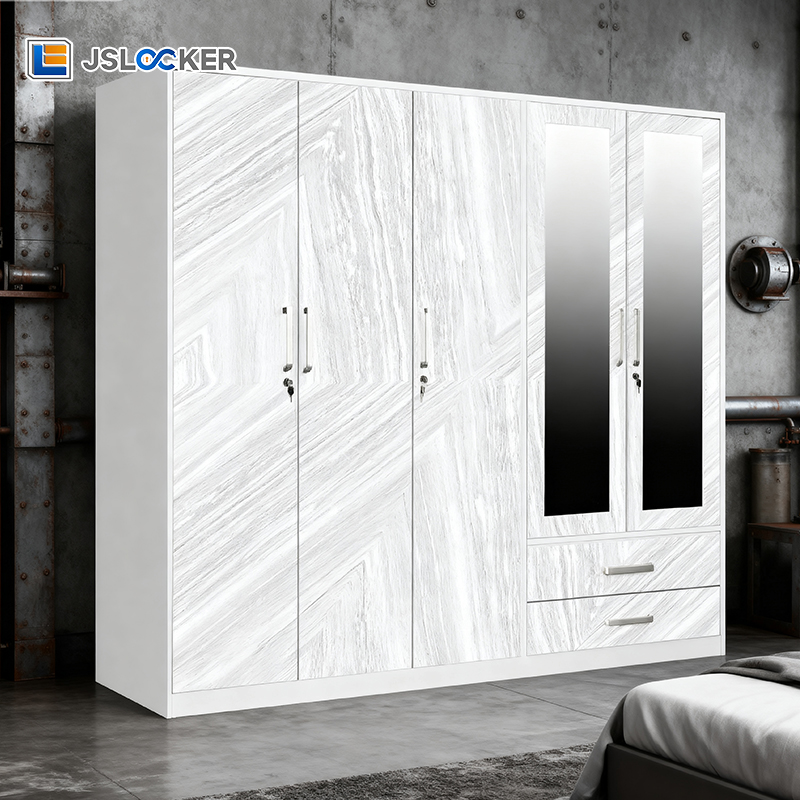
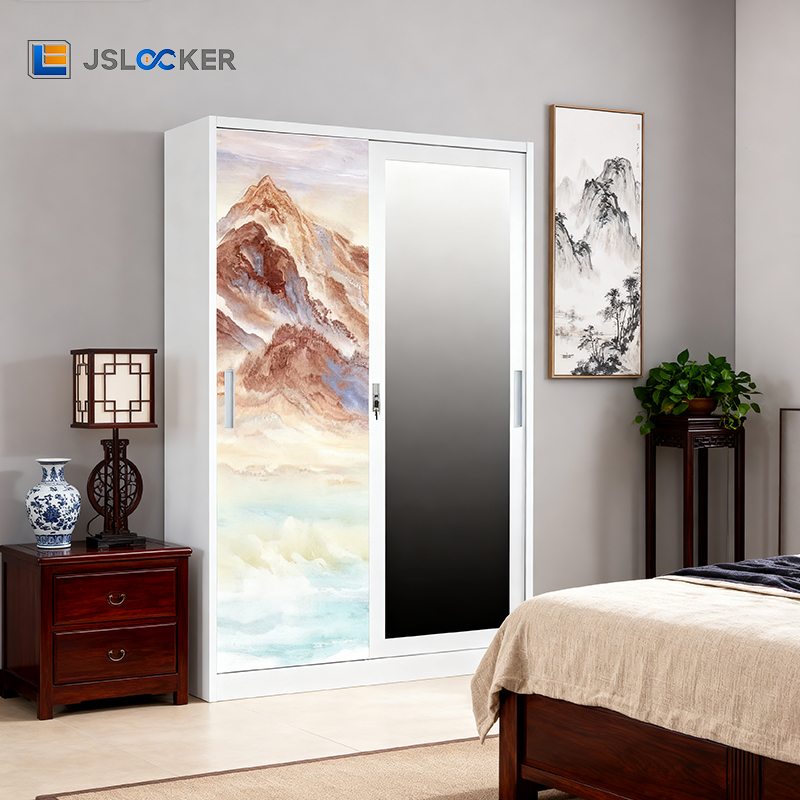
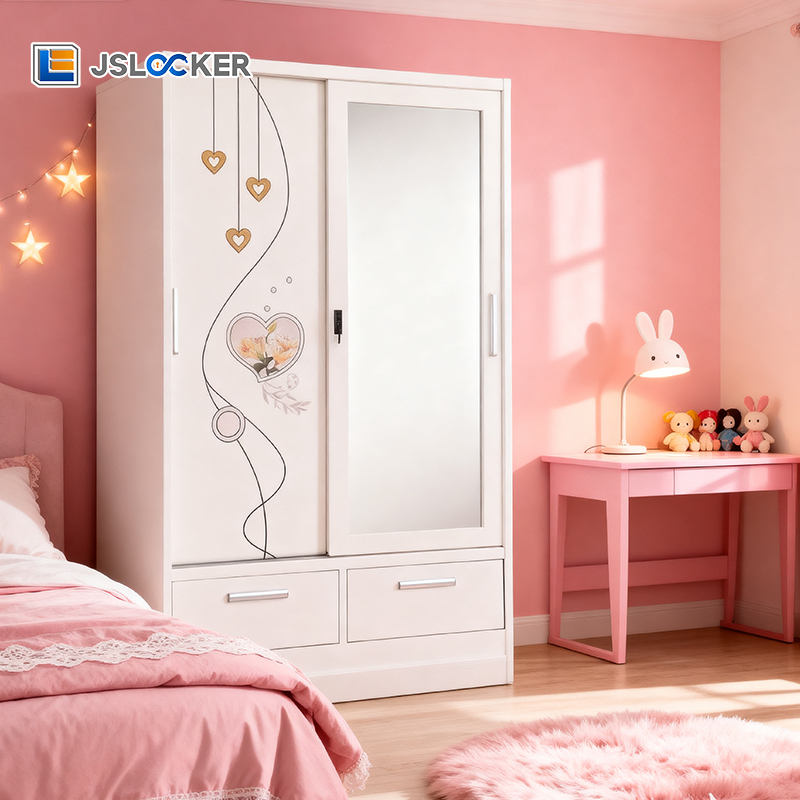
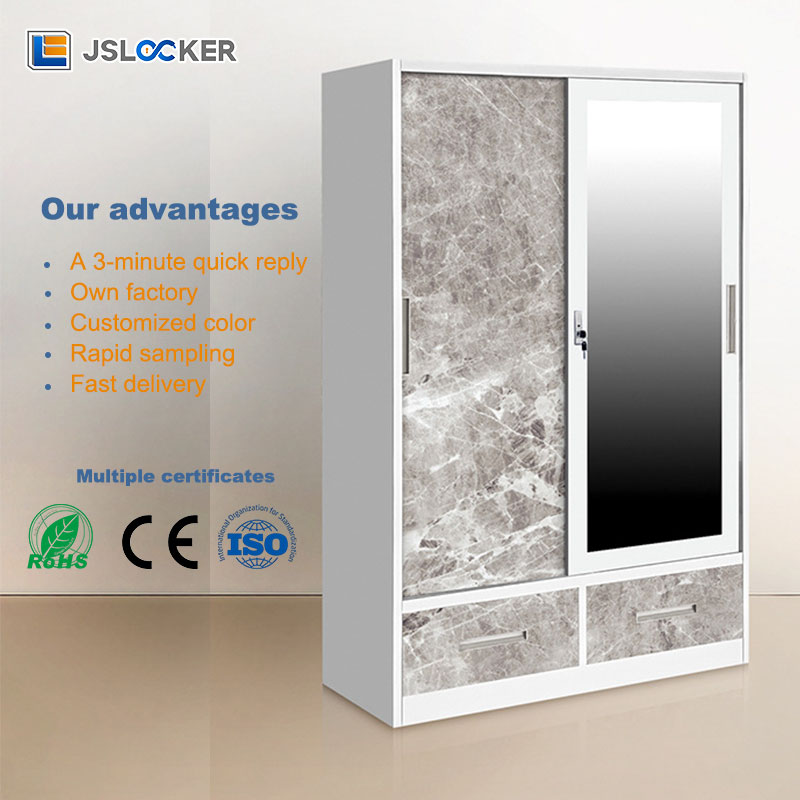
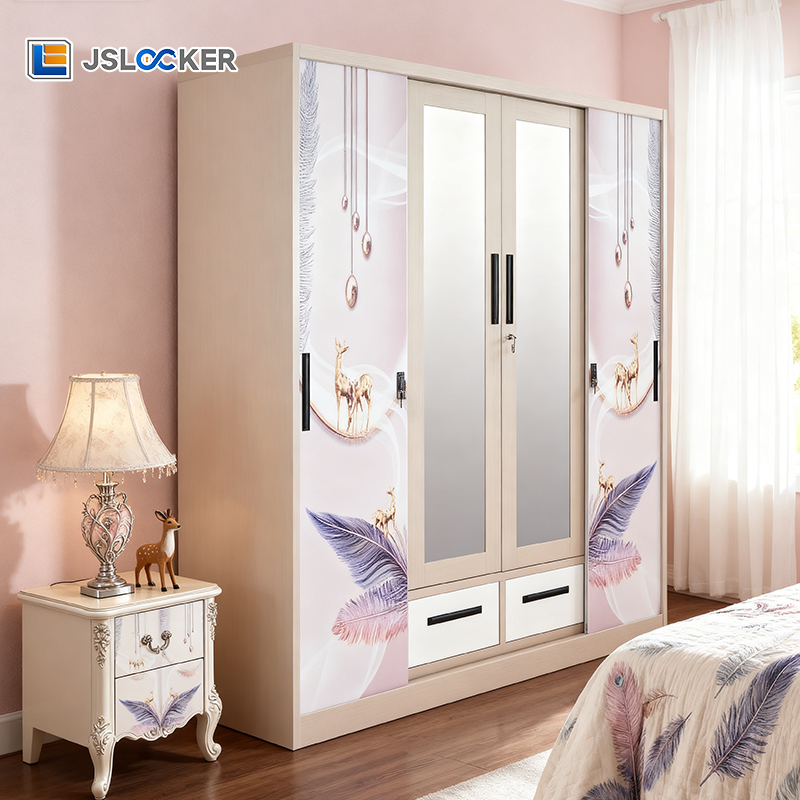
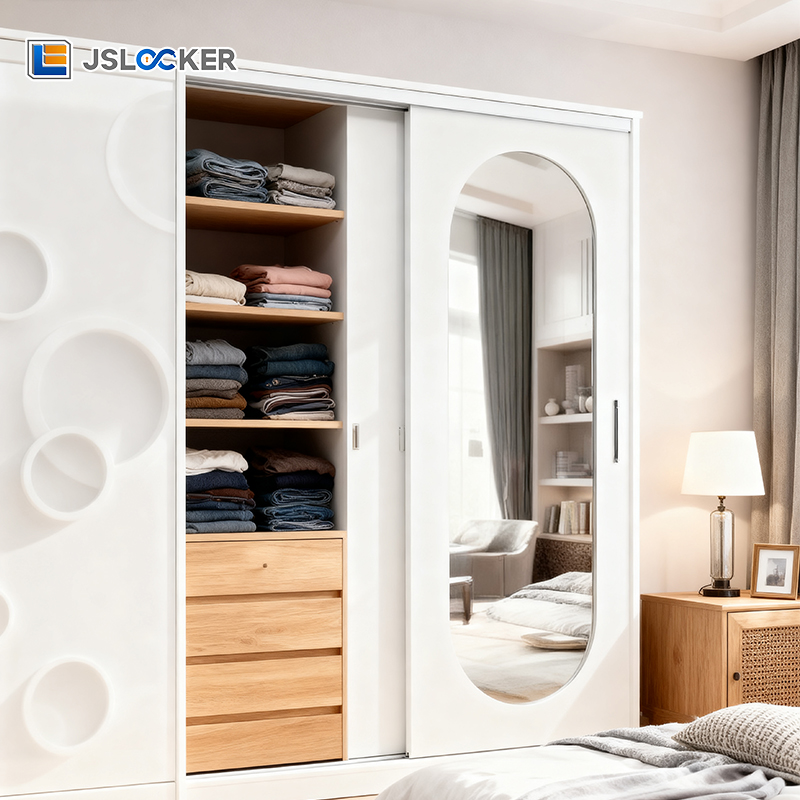
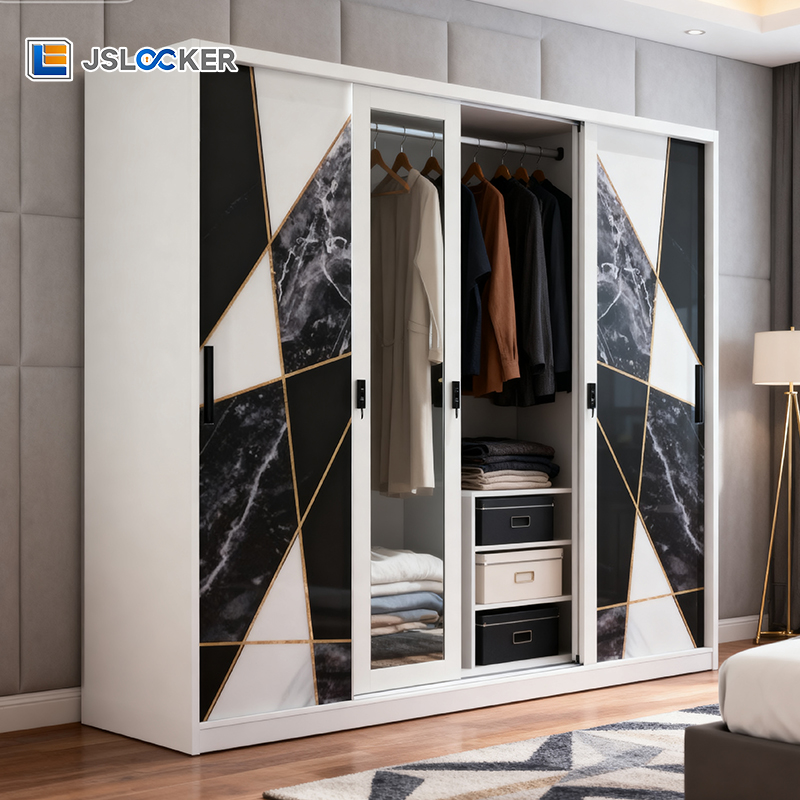
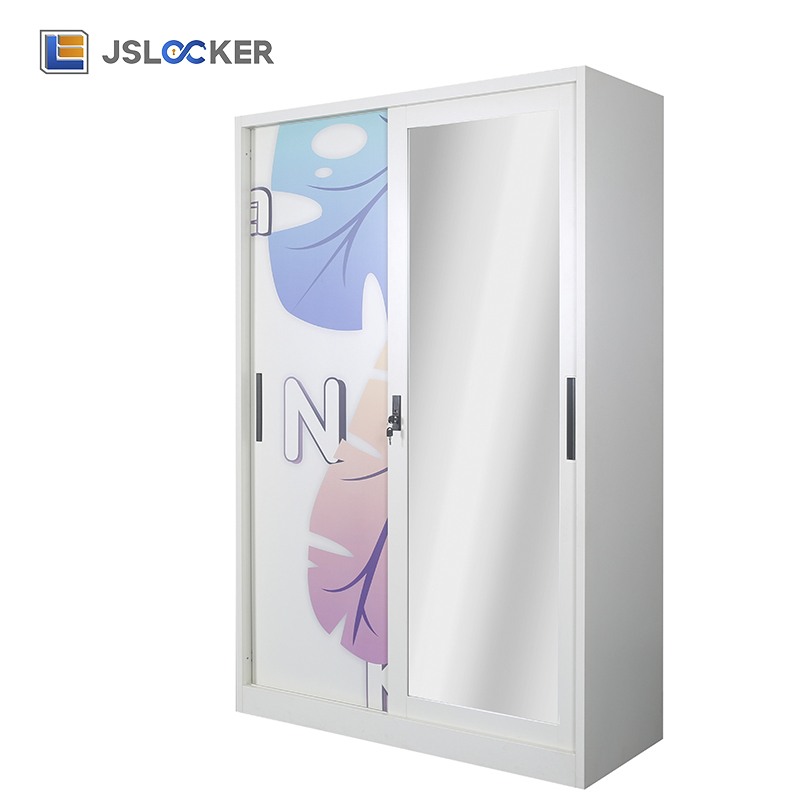
6. Metal Wardrobe: Bulk Clothing & Equipment Storage
Larger, more open storage units for hanging garments, storing large equipment, or industrial use.
Key Considerations:
Configuration: Single or double-door models, with or without internal shelves or hanging rods. Consider adjustable shelving for flexibility.
Hanging Space: If for garments, ensure adequate interior height and a sturdy hanging rod.
Heavy-Duty Use: In industrial settings, look for heavier-gauge steel, reinforced corners, and large, easy-grip handles.
Application: Useful in hospitals (staff changing rooms), fire stations, factories (for PPE), or dormitories.
7. Medication Cabinet: Secure Pharmaceutical Storage
A specialized, highly secure cabinet for the controlled storage of medicines in clinics, nursing homes, or hospital wards.
Key Considerations:
Regulatory Compliance: Must comply with local health authority regulations for drug storage (e.g., specific locking mechanisms, material standards).
Security: High-security locking systems (often double-key or electronic audit trails) are mandatory. Consider models with separate, locked compartments for controlled substances.
Organization: Adjustable shelving, clear labeling, and sometimes built-in refrigeration units are required.
Material & Cleanability: Stainless steel or coated steel with a seamless, easy-to-sanitize interior is often necessary for infection control.
Universal Procurement Principles for All Steel Storage:
Gauge & Construction: Lower gauge number = thicker, stronger steel (e.g., 18-gauge is thicker than 22-gauge). Check weld quality and finish.
Finish & Coating: Powder coating is standard for durability and aesthetics. Epoxy coatings may be required for labs or harsh environments. Verify chip and corrosion resistance.
Fire Resistance: For critical document storage, inquire about fire-rated models with certified insulation.
Ergonomics & Safety: Ensure smooth operation, rounded edges, and stability (e.g., anti-tip brackets for tall units).
Modularity & Future Needs: Consider systems that can be stacked, combined, or reconfigured to adapt to changing space requirements.
Recommended Procurement Process:
1. Define Needs Per Category: Clearly identify the primary users, stored items, required security level, and environmental conditions for each cabinet type.
2. Technical Specification: Create a spec sheet detailing dimensions, gauge, lock type, finish, and any special features (ventilation, dividers, electrical).
3. Supplier Qualification: Source from reputable manufacturers specializing in steel furniture. Request samples, test reports (for fire/medication cabinets), and site references.
4. Total Cost Evaluation: Consider installation requirements, warranty, lead time, and long-term service support alongside the purchase price.
