

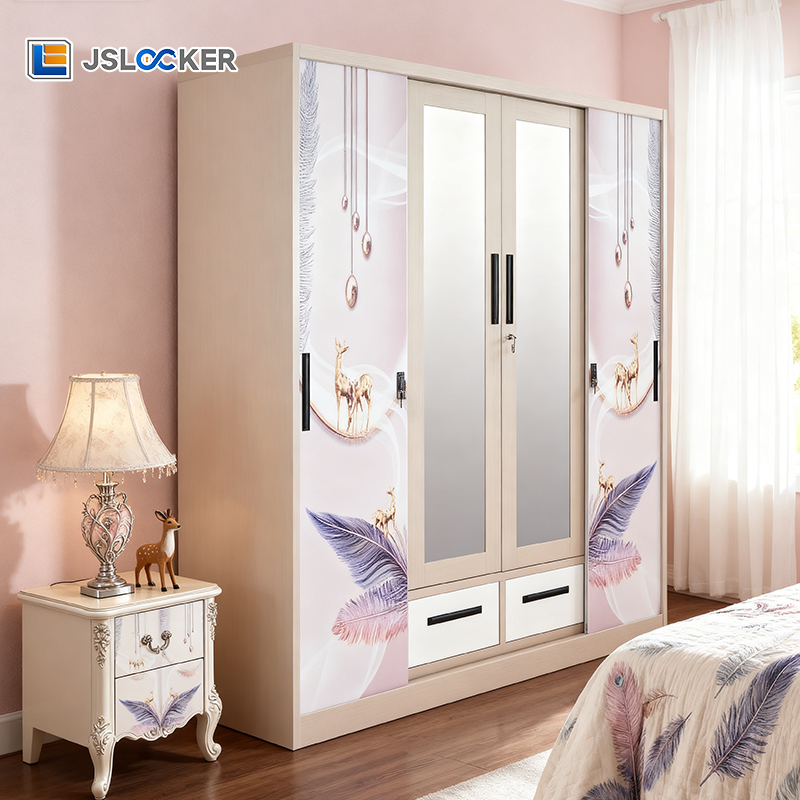
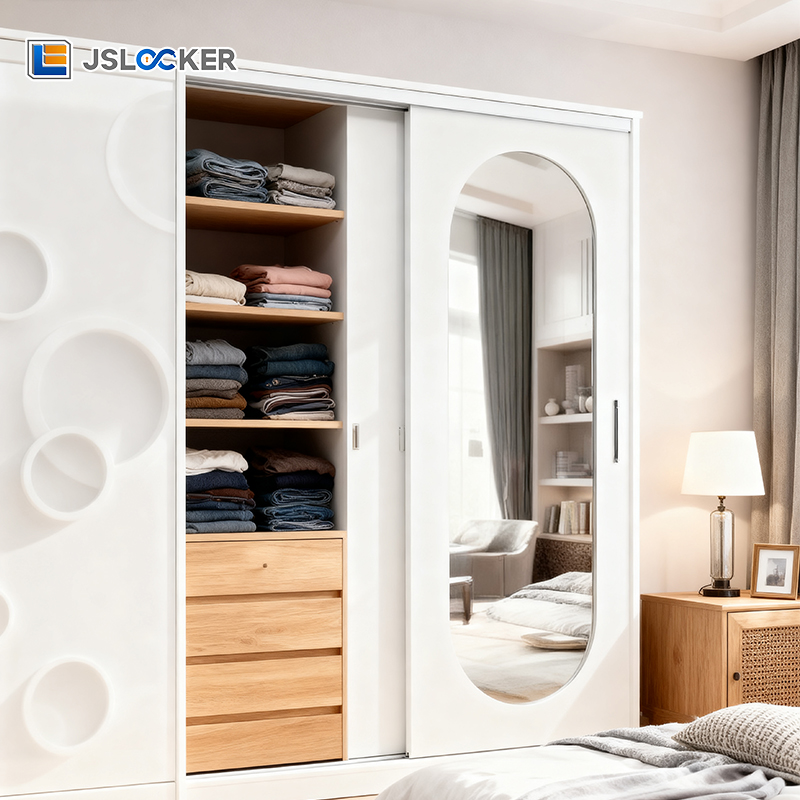
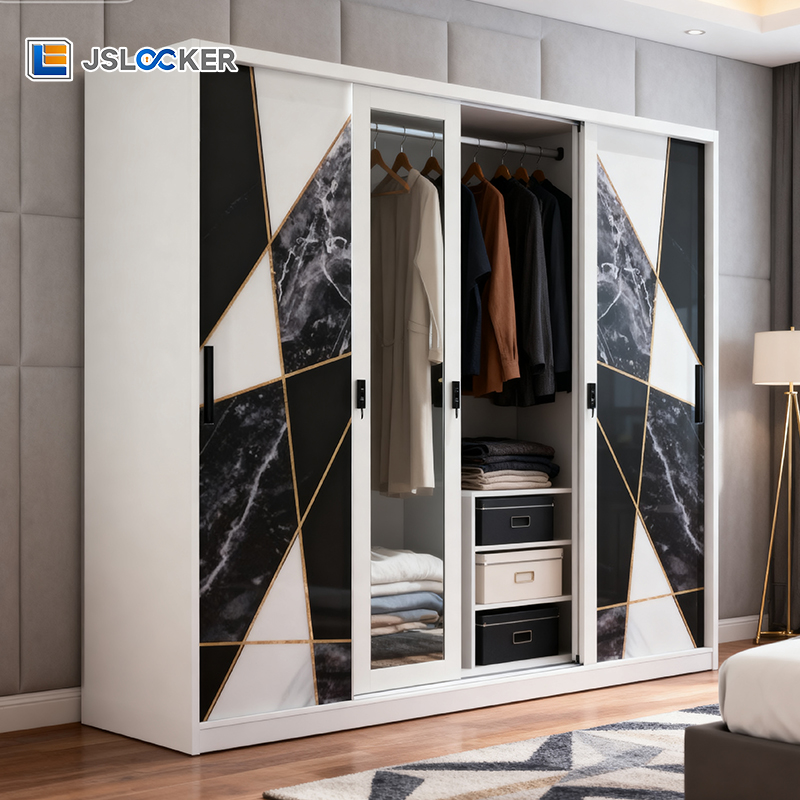
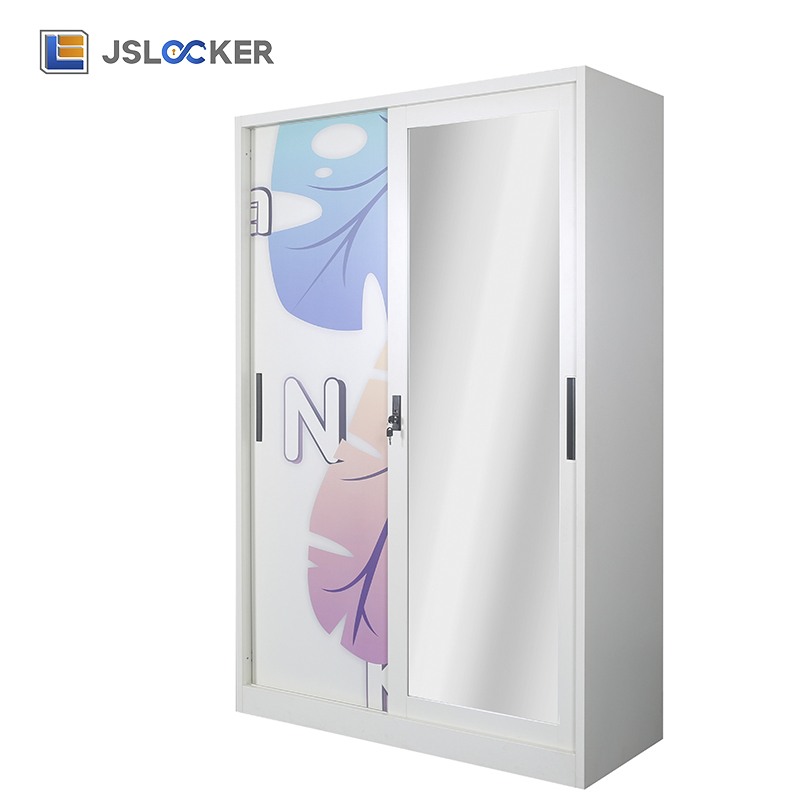
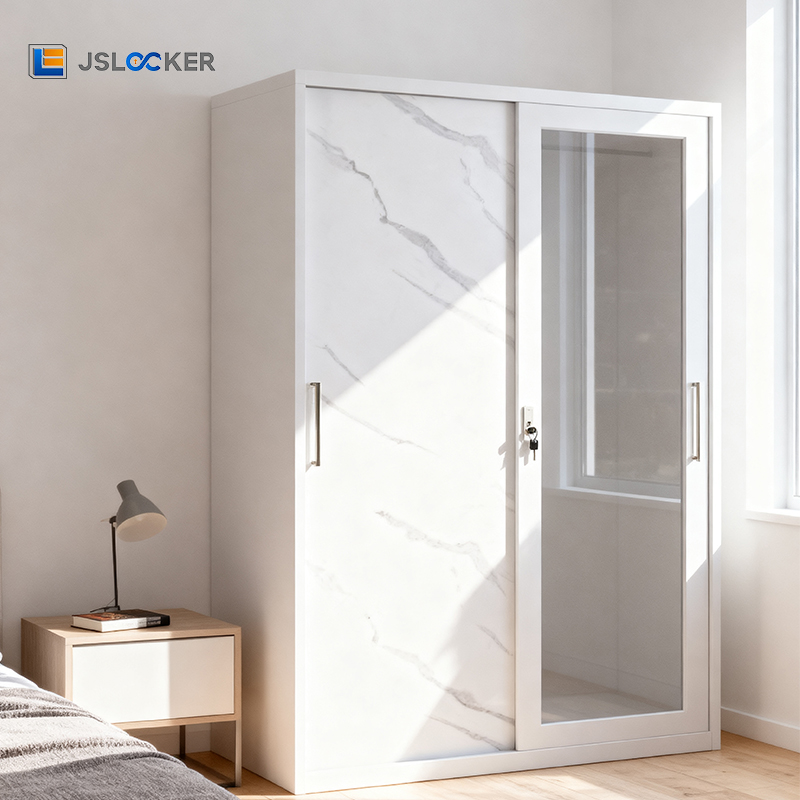
In the world of organized spaces—from bustling corporate offices and sterile laboratories to industrial warehouses and secure archives—one category of storage stands as the undisputed champion of durability, security, and versatility: the steel cabinet. More than just a container, a high-quality steel storage cabinet is a long-term investment in infrastructure. This article provides a comprehensive overview of steel cabinets, detailing their primary classifications, diverse application scenarios, and the core features that define their utility.
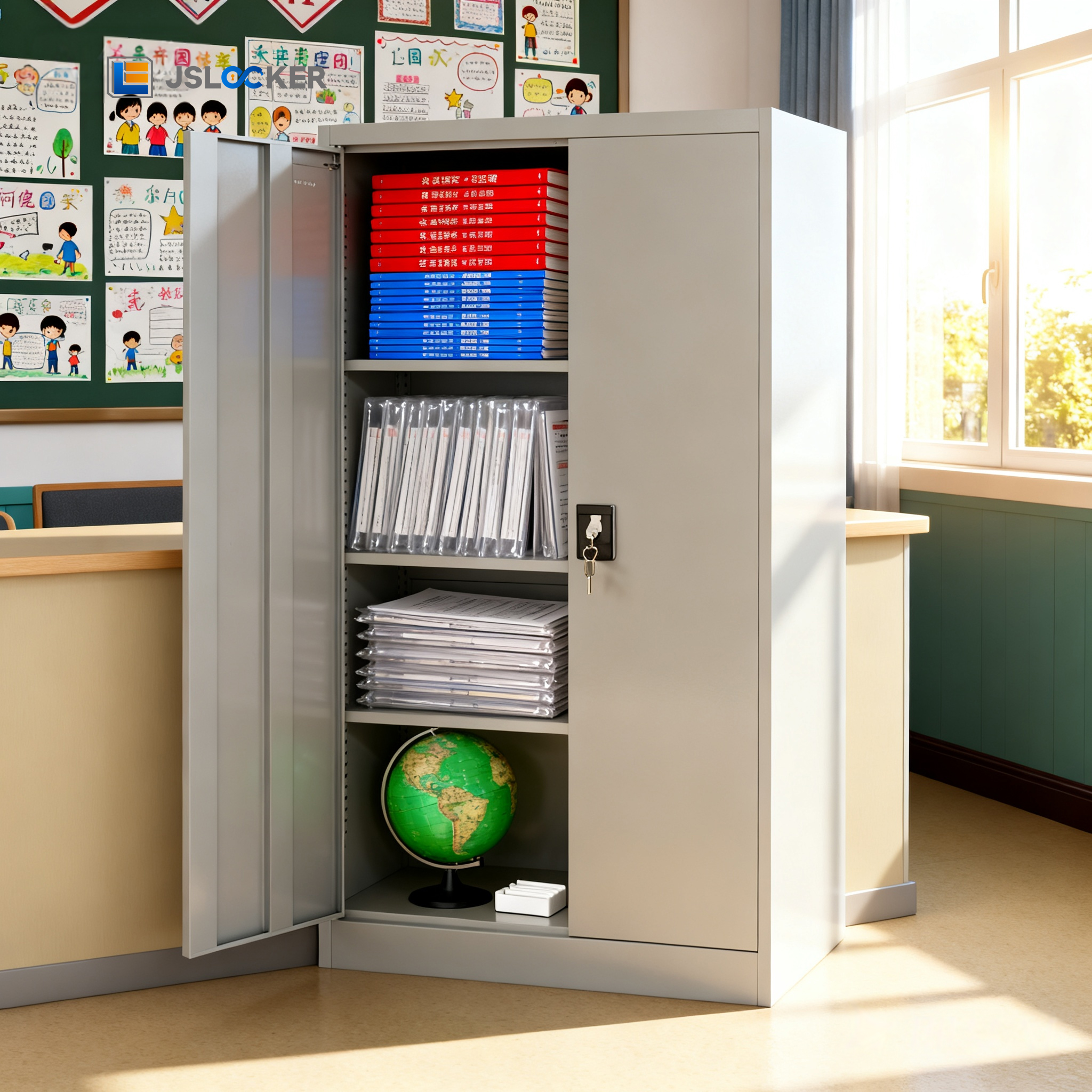
Part 1: Classification of Steel Cabinets
Steel cabinets can be categorized based on several key design and functional attributes, helping users pinpoint the perfect unit for their needs.
1. By Primary Function & Design:
* Filing Cabinets: The classic office staple, designed specifically for letter or legal-sized documents. These include vertical file cabinets (tall, front-loading drawers) and lateral file cabinets (wider, side-loading drawers that often offer greater capacity and easier viewing).
* Storage Cabinets / Utility Cabinets: A broad category of general storage cabinets. They typically feature adjustable shelves or deep drawers and are used for storing everything from office supplies and binders to tools and parts. Heavy-duty steel cabinets fall into this group.
* Locker Cabinets: Designed for personal effects in workplaces, schools, or gyms. They are usually configured as single or multi-bay units with individual locking doors, providing secure personal storage.
* Security Cabinets: Engineered for maximum protection. This includes data cabinets for IT servers, gun cabinets with specialized locks, and high-security document storage cabinets often used for confidential records.
* Mobile Cabinets: Cabinets on casters or as mobile pedestals that offer flexible storage solutions, easily moved to where they are needed most, such as under workbenches or between workstations.
2. By Locking Mechanism & Security Level:
* Keyed Lock Cabinets: The standard option, using a physical key. Variations include keyed-alike cabinets (one key opens multiple units) or master-keyed systems for complex facilities.
* Electronic Lock Cabinets: Feature digital keypads, card readers, or biometric scanners for keyless, auditable access control, ideal for high-security environments.
* Combination Lock Cabinets: Often found on locker cabinets, using a mechanical or digital dial combination.
3. By Specialized Performance:
* Fire-Resistant Cabinets: Also known as fireproof filing cabinets or fire-rated cabinets, these are constructed with insulating materials to protect vital paper documents or digital media from fire damage for a certified duration (e.g., 1 hour).
* Corrosion-Resistant Cabinets: Made from stainless steel cabinets or specially coated steels, these are essential for laboratories, medical facilities, cleanrooms, or humid industrial environments.
Part 2: Application Scenarios for Steel Cabinets
The robustness and adaptability of steel cabinets make them indispensable across a vast spectrum of industries.
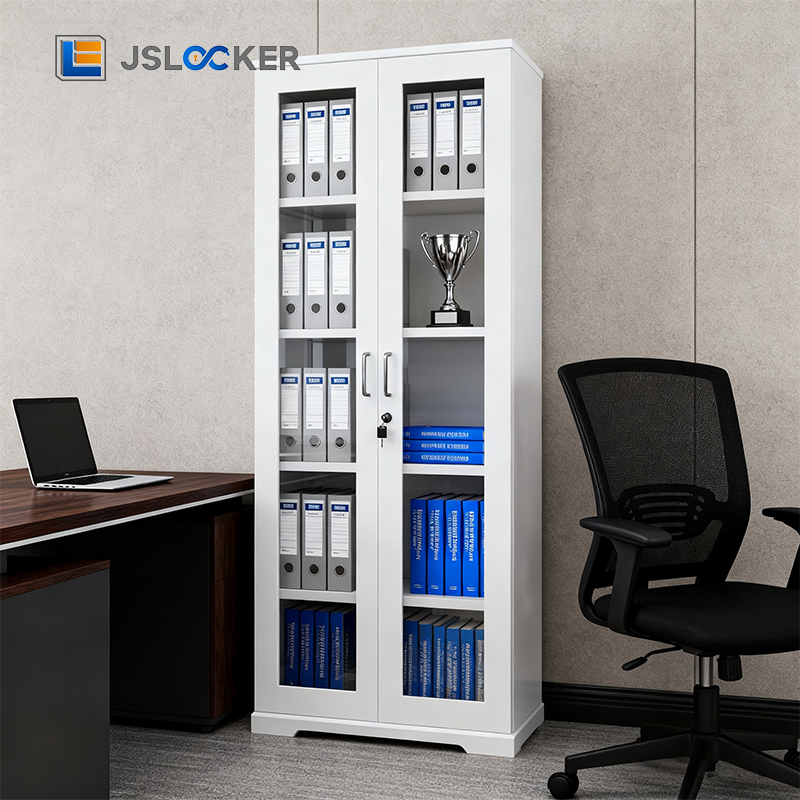
* Corporate & Office Environments: This is the traditional home of the office filing cabinet and storage cabinet. They are used for document storage, archiving records, housing office supplies in supply cabinets, and providing personal space in office locker cabinets. Security cabinets protect sensitive HR or financial documents.
* Industrial & Warehouse Settings: Here, industrial steel cabinets and tool storage cabinets are crucial. Heavy-duty utility cabinets store machinery parts, tools, and safety equipment. Bench cabinets and mobile service carts keep workspaces organized on the factory floor.
* Educational & Institutional Facilities: Schools and universities utilize steel locker cabinets for students in hallways, lab storage cabinets for science equipment, and robust filing cabinets in administrative offices. Library storage cabinets manage archives and supplies.
* Healthcare & Laboratories: Hygiene and durability are paramount. Stainless steel medical cabinets are used in pharmacies, labs, and patient rooms for storing instruments and supplies. Medical locker cabinets provide secure storage for staff belongings. Specialized flammable storage cabinets are mandatory in labs.
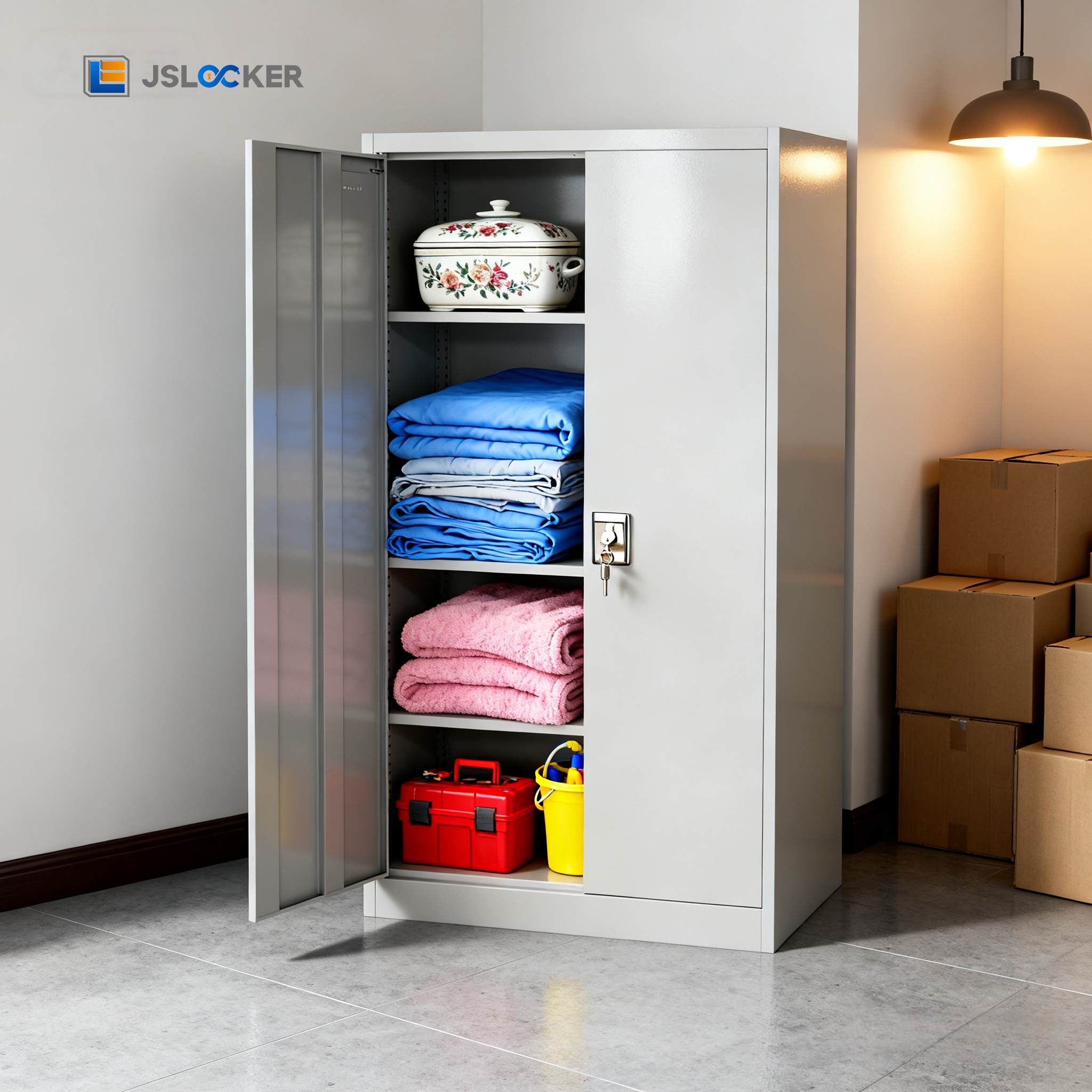
* Retail & Hospitality: In back-of-house areas, steel storage cabinets organize everything from linens and tableware to retail inventory. Chef's cabinets and kitchen storage units in commercial kitchens are often made of rugged stainless steel.
Part 3: Key Features & Advantages
The widespread use of steel cabinets is driven by a compelling set of advantages over other materials like wood or plastic:
* Unmatched Durability & Strength: Constructed from cold-rolled steel, these cabinets resist dents, impacts, and warping. They can support immense weight, with heavy-duty models serving as tool chests or equipment storage units.
* Superior Security: The inherent strength of steel, combined with robust locking systems (cam locks, cylinder locks, padlock hasps), provides excellent physical security for valuable or sensitive contents.
* Enhanced Safety: Fireproof cabinets protect against fire, while corrosion-resistant cabinets safely house chemicals. Their non-porous surfaces are easy to clean and don't harbor pests or bacteria.
* Professional Aesthetics & Low Maintenance: A high-quality powder-coated finish offers a clean, professional look in various colors and is exceptionally easy to wipe clean and maintain over decades of use.
* Configurability & Organization: Many models feature adjustable steel shelves, dividable drawer interiors, and modular designs, allowing them to be tailored to specific storage needs.
